
De lo Personal a lo Colectivo: Un Viaje de Autocuidado con Impacto Comunitario

En la búsqueda de un bienestar integral, el autocuidado sostenible emerge como un faro de renovación. Este mes, inspirados por el inicio de la primavera y el gran eclipse mexicano, exploramos cómo cultivar prácticas personales de cuidado que no solo nos nutren, sino que también reverberan en nuestro entorno. 

La Naturaleza como Espejo 

Este artículo nos recuerda que, al igual que las plantas se renuevan tras ser podadas, nosotros también podemos florecer frente a la adversidad. Este acto de resistencia natural nos invita a enfrentar nuestros desafíos con resiliencia, abrazando el cambio y el crecimiento personal como pilares de nuestra existencia. 

Autocuidado: Más Allá del Yo 

El autocuidado, a menudo malinterpretado como un acto de indulgencia, es en realidad una práctica profundamente arraigada en el compromiso con uno mismo y, por extensión, con la comunidad. Es un acto de reafirmación personal que prepara el terreno para contribuir de manera significativa al bienestar colectivo. 

Prácticas de Autocuidado Auténticas 

El verdadero autocuidado se manifiesta en acciones cotidianas que, aunque puedan parecer menores, son fundamentales para mantener un equilibrio saludable en nuestra vida. Desde establecer límites saludables hasta cultivar hábitos que refuercen nuestra salud física y mental, cada paso cuenta. 

Al igual que podar una planta promueve su crecimiento, enfrentar nuestros retos puede fortalecernos. Este acto de resiliencia, inspirado por la naturaleza, nos enseña a florecer ante la adversidad. 

Prácticas de Autocuidado Auténticas 

  1. Meditación Matutina: Iniciar el día con unos minutos de meditación puede aumentar la concentración y la calma. 
  1. Nutrición Consciente: Optar por alimentos que nutren el cuerpo y respetan el medio ambiente. 
  1. Movimiento Diario: Ya sea yoga, caminata o danza, el movimiento es vital para mantener el cuerpo y mente en equilibrio. 

Creando un Régimen de Autocuidado Sostenible 

Un plan de autocuidado sostenible no es una lista de buenos propósitos, sino una serie de compromisos realistas con uno mismo. Estos deben ser flexibles, capaces de adaptarse a nuestras necesidades cambiantes, y diseñados para integrarse de manera armoniosa en nuestra rutina diaria. 


Ideas para un Régimen de Autocuidado Sostenible 

  • Lunes: Meditación de agradecimiento y planificación de comidas saludables para la semana. 
  • Martes: Yoga al amanecer y lectura de un capítulo de un libro que inspire. 
  • Miércoles: Día de desconexión digital después del trabajo. 
  • Jueves: Caminata en la naturaleza para reconectar con el entorno. 
  • Viernes: Cena con amigos o familia, fomentando relaciones significativas. 
  • Sábado: Participación en una actividad comunitaria, extendiendo el cuidado hacia los demás. 
  • Domingo: Reflexión semanal y preparación para una nueva semana. 

Este enfoque hacia el autocuidado sostenible no solo nos prepara para afrontar nuestros propios desafíos, sino que también nos capacita para apoyar a otros, creando así una red de bienestar que beneficia a toda la comunidad. 

Unique Women: Discovering the Beauty of Neurodiversity

By Esmeralda BrinnSpecialist in Somatic and Nutritional Therapy


Exploring Women's Health Beyond the Conventional

When we talk about women's health, we usually think of the reproductive system, glands and hormones. Rarely do we refer to the health of the nervous system and psyche and how gender differences influence these areas. Health is not a fixed state, it is a flexible range in which we oscillate in constant search for balance. This process of seeking balance in our body is called homeostasis, and in the psyche and emotions, the same process is called self-regulation. However, self-regulation and homeostasis are processes that our body learns during our development in response to concrete and subtle stimuli from the environment, both to bacteria and diseases as well as to the emotional tone of our family.

The Emergence of the Concept of Neurodivergence
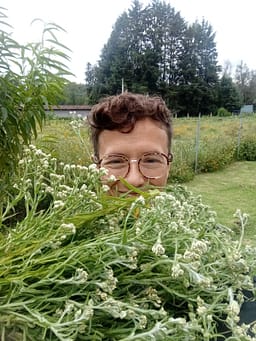
The term neurodivergent emerged in the 1990s, after many years of psychiatric medicine considering divergences as developmental disabilities. Coining this term opened the door to considering diverse neural characteristics as differences and not defects. Today, a person is considered neurodivergent if he or she possesses neurological characteristics that are different from the average. These characteristics cause people to perceive the world with greater intensity, as if the stimuli of the senses had a much higher volume than that perceived by neurotypical people. The term refers not only to autism, but also to ADHD, dyslexia, bipolar, high sensitivity, sensory processing difficulties, Asperger's, etc.

Unique Challenges of Female Neurodiversity

And it is especially important to talk about the neurodiversity of the female gender, because since the beginning of the practice of psychology and psychiatry, studies have been conducted mostly on the male gender. For this reason and because of the enormous difference in how neurodivergences manifest themselves between men and women, they have gone unnoticed in their diagnosis, making it impossible to find adequate tools to develop lifestyles suitable for their particularities.

Reinterpreting the Manifestations of Neurodivergence in Women

A woman with ADHD can be highly productive, ambitious, intelligent and with traits of genius, able to solve setbacks with calm and clarity. And a woman with autistic traits is likely to be an expert in her area of interest and come up with innovative ideas that no one else has come up with. Her challenges have nothing to do with her intellectual, work or creative capacity, but with how to cope with the sensory load in a social environment that demands productivity for prolonged periods of time in uncomfortable, noisy, sensory-polluted conditions.

The Power of Accepting Sensitivity

For most women, being highly sensitive means facing particular challenges: from difficulty concentrating in noisy environments to extreme sensitivity to certain foods, textures, and the social environment. The most important thing to know is that if you suspect you are a highly sensitive woman, your physical and emotional symptoms may be linked to your unassumed and, therefore, uncared-for sensitivity. There are tools in somatic work and occupational therapy to work with the nervous system and develop sensory resilience.

Esmeralda Brinn
Esmeralda Brinn - Somatic and Nutritional Therapeutics

Creating an Inclusive Future

Studies show that developing architectural, sound, work, educational and social spaces adapted to neurodivergent needs would profoundly benefit everyone, including neurotypical people. Not perceiving sensory overstimulation does not mean that our nervous systems are not constantly working to filter them out, generating chronic physiological stress, inflammation and thus disease. It is time to look beyond the symptoms and want to silence them. The only way to regenerate our health, physically, mentally and emotionally, is to re-learn how to feel and know ourselves. Knowing what our condition is allows us to understand our needs and gives us the power and the possibility to look for the routes that give us the tools to take charge of our well-being.


SOURCES:

Libros
Divergent Mind, por Jenara Nerenberg | Scattered Minds, por Dr. Gabor Maté | Autistic State of Mind, por Kayla Francis | An Unquiet Mind, por Kay Redfield Jamison | El Mito de lo Normal, por Dr. Gabor Maté | The Power of Neurodiversity, por Dr. Thomas Armstrong

Articles and Publications
https://www.ncbi.nlm.nih.gov/pmc/articles/PMC4012542/ – sobre sensibilidad relacionada a la genética
https://www.sciencedirect.com/science/article/abs/pii/S0387760403000573 – sobre la historia de la neuropsiquiatría y el paradigma de la patología

Himalayan Salt Therapy: Revitalizing Spaces and Well-being

In our search for holistic health, an ancient remedy is experiencing a modern resurgence: Himalayan salt therapy. Known for its healing properties, Himalayan salt has transcended traditional spa and wellness environments, emerging as a versatile element in various settings, from homes to workplaces.

The Healing Power of Himalayan Salt

Himalayan salt, recognized for its distinctive pink hue, offers more than aesthetic appeal. Its therapeutic use, known as halotherapy, utilizes the salt's natural hygroscopic properties to purify air, reduce allergens, and enhance mood and energy levels. This versatile mineral is no longer confined to luxury spas but is becoming part of everyday life, promoting holistic well-being in our living and working environments.

Himalayan Salt in the Home

Integrating Himalayan salt into the home means creating a personal sanctuary that encourages relaxation and health. From salt lamps emitting a soft, warm glow to decorative salt walls, these elements help create a tranquil atmosphere, reducing stress and promoting better sleep patterns.

Transforming Workspaces

Work environments are acknowledging the importance of employee well-being. Incorporating Himalayan salt into office design can significantly improve the workspace atmosphere. It is believed to have the potential to enhance focus, reduce fatigue, and create a harmonious work environment, thanks to its air-purifying properties and ability to balance ambient ions.

Community Spaces and Public Areas

Public spaces are also experiencing a shift towards wellness-oriented designs. Incorporating Himalayan salt features can turn these areas into havens of serenity, benefiting visitors by offering a peaceful and rejuvenating environment.

The Science Behind Salt Therapy

While the aesthetic appeal of Himalayan salt is evident, its health benefits are supported by scientific research. Studies suggest that halotherapy can aid in respiratory health, skin conditions, and overall stress reduction. The negative ions released by salt can purify and clean the air, potentially reducing the symptoms of allergies and asthma.

Salt Rooms and Halotherapy

Modern salt rooms recreate the microclimate of a salt cave. These spaces are designed to maximize the therapeutic benefits of salt, with controlled temperature and humidity to ensure optimal conditions for relaxation and health improvement.

The Role of Color and Light

The gentle illumination of Himalayan salt, often enhanced with LED lighting, adds to the therapeutic ambiance. Combining salt therapy with light and color therapy, or chromotherapy, creates a multi-sensory experience that can further aid relaxation and emotional well-being.

Embracing Salt Therapy in Everyday Life

Himalayan salt therapy is no longer just an exotic spa treatment but a lifestyle choice accessible to everyone. Its integration into various environments signifies a shift towards a more holistic approach to health and well-being. By embracing this ancient wisdom in our modern lives, we open doors to improved health, tranquil living spaces, and work environments that nurture our well-being.

In a world increasingly focused on holistic health, Himalayan salt therapy stands as a testament to the power of natural elements in harmonizing our lives. It's an invitation to reconnect with nature's healing powers and transform our spaces into sanctuaries of health and tranquility.

Debunking Myths: What No One Tells You About Veganism

Happy World Vegan Day! If you've heard of this philosophy of life, you may have come across a myth or two. It's time to confront them and unpack the true realities behind this increasingly popular movement!

Is Being Vegan Boring?

Of course it's not. Get rid of the idea that veganism is just about eating lettuce and tofu. From vegan pizzas to chocolate cakes, the vegan world is as delicious as any other.

But, the Protein!

The most common myth of all: where do you get your protein? Well, easy: lentils, nuts, chia seeds, quinoa and the list goes on. Did you know that some of the strongest animals on the planet, such as gorillas and elephants, are herbivores?

Veganism, Only for the Rich!

False. Many of the staple foods are vegan and affordable: rice, pasta, legumes and vegetables. Did you know that veganism has been practiced by diverse cultures around the world as a sustainable way of life?

Vitamin deficiency?

No, being vegan does not condemn you to a life of nutritional deficiencies. With a well-planned diet, you can get all the vitamins and minerals you need, including vitamin B12.

Now, Some Curious Facts 

  1. 1. The First Vegan Society: Did you know that the first vegan society was founded in the UK in 1944?
  2. 2. Vegans in the World: It is estimated that there are about 79 million vegans in the world.
  3. 3. Environmental Impact: Animal agriculture is responsible for 14.5% of global greenhouse gas emissions.
  4. 4. Long Term Health: Studies have shown that a vegan diet can reduce the risk of heart disease, type 2 diabetes and certain types of cancer.
  5. 5. Fastest Vegan: Did you know that Carl Lewis, one of the most successful athletes of all time, is a vegan?

At the end of the day, veganism is a life choice that is gaining ground, and for good reason. Ready to try that vegan chocolate cake we mentioned?

Happy day to all vegans and those about to embark on this fascinating journey towards a more sustainable and healthy future!