Mental Wellness: The Power of Your Thoughts to Create a Fulfilling Reality

Well-being, when, where?

Every thought is energy and energy is the capacity to create or transform, and the mind has only one action: thinking 24/7, so you are always creating, you generate at all times, conscious or distracted you generate conclusions called beliefs or mental states when you come to conviction by thinking and feeling about aspects of your life and information from the environment so according to the law of cause and effect also called hermetic axiom, as above so below, as within so without, the invisible thought manifests in the visible effect, your body and your experiences, and you can check your development by checking your causal power, everything is thought and only what you think affects you by the law of individuality which states that no one can think or feel for another, life is completely individual.

Your mentality lives in the present time, for the mind there is no past or future, everything is thought of here and now, what you think is heard by all the molecules of your body, and the process of electromagnetic biochemistry unfolds detonating emotional bursts and that is how you feel.

Well-being, etymologically means from well + being, after Italian benessere, to be or to live in an elevated level, it is a mental state of harmony because you think, feel, say and do in energetic coherence, and it makes you feel comfortable in the skin you inhabit generating from your mental attitude a balanced behavior. The only thing that tires the mind is the wrong thinking, sustained, lacking quality as complaint, doubt, dissatisfaction, victimization, haste and many more, that you produce in your mental discomfort with the torrent of chemicals that your body receives in overdose until the oxidative stress with which you place yourself in a state of alert where rejection, defense and flight are reactions to the environment and from there there there is no space or ability to see possibilities to choose a higher option.

Massage, sound therapy, tapping, infusion, prayer, mantras, breathing techniques and others are tools to support your balance, to know the massage of the emotions, to go through the crises, to transform yourself and to recognize the evolutionary process that you are becoming and to give continuity to your development attached to Harmony.
You have the power to create your reality by choosing your thoughts, since they are the raw material to manifest, like seeds that you sow in the fertile field of your mentality and from which you will reap the fruits, do not expect apples by sowing ivy.
To “be well” in your place of peace, your individual mind, and to give yourself a present by experiencing the REALITY OF GOOD choose to think and feel only what is good and right, for good thinking heals, soothes, enhances, improves, beautifies, completes, perfects and enhances the Mental Well-Being you wish to experience here and now.
Repetition forms a state of mind, your state of mind governs your thinking and your thinking causes your experiences, repeat with your mental voice:

“ALL IS GOOD, I AM GOOD, ALL IS WELL WITH ME AND I KNOW IT. THANK YOU MY MIND”

Juan Carlos Robles H. | Certified Mental Application Method Teacher | Wellness Expert since 2004 | workshops, seminars, health and well-being projects, relationships and “The Power of Thoughts”.
FACEBOOK | INSTAGRAM

Rest as Part of Self-Care: Boosting Your Overall Well-Being

Dra. Lisseth Gómez | Integrated Medicine Specialist

Each of the activities we perform during the day consume our energy, finding a break to recover should be part of our agenda. In a world where we have 24-hour activities at our fingertips, it is common for us to forget the integral way in which we should take care of our body, mind and spirit.

It is common to think that being busy with various tasks gives us a status of productivity and efficiency when in reality, it is not entirely so; working hard can be valuable and meaningful in certain contexts and situations of life. Effort and dedication can lead to goal achievement, skill development and personal growth.

However, it is equally important to recognize that hard work should not be considered the sole determinant of our value as individuals or the only path to success and happiness. The balance between work and rest is essential to maintaining our overall well-being.

The rest that each person needs is very different and depends largely on the causes of fatigue; understanding how we can rest is easier if we identify what leads us to exhaustion, which can be physical, mental, sensory, creative, emotional, social and spiritual, and thus work on strategies to rest.

There are several ways to rest and recover energy. Here I will mention the types of rest and some resources that will help you achieve it.


Physical rest

When we perform physical activities or work intensely, our muscles become fatigued and suffer micro-injuries. Proper rest allows muscle tissue to repair and strengthen, preventing exhaustion and reducing the risk of injury in the long term, after finishing your workout, it is advisable to run a gradual cooling phase. This involves gradually reducing the intensity of your physical activity during the last 5 to 10 minutes. For example, if you have been running, you can slow down to a brisk walk before stopping completely.

Sleep and rest well because, during sleep, our body carries out important processes, tissues are regenerated, both the immune and cardiovascular systems are strengthened, and hormones are released that regulate various bodily functions. To achieve this, establish a regular sleep routine that involves going to bed and getting up at the same time every day, even on weekends.

Mental Rest

It is essential to maintain emotional balance, reduce stress and improve your overall well-being. If your job involves making decisions, don’t take those thoughts home with you; during your workday, take short breaks and do some stretching or breathing exercises.

Sensory Break

Digital disconnection is important during each day, establish periods without screens, instead perform activities that relax you, such as taking a walk outdoors, reading a book or simply enjoying a quiet moment.

Social Breaks

For this we must understand our relationship with others, and know if we need a passive break or an active one, example if you are surrounded by people, identify if the relationships are healthy or not, know how to say “no”, staying away from ungentle human interactions; if, on the contrary, you are isolated most of the time, a good way is to have a meeting with friends.

Creative Rest

It is especially important to be able to generate new ideas, when we rest, we rekindle our capacity for wonder, when you allow yourself to enjoy the beauty of nature, appreciate the environment and if you search in the everyday, find novelty, you allow your brain to have this rest. If you have the opportunity to visit new places, a park, or go hiking, you will achieve this even more.

Emotional Rest

There are times when our emotions are on a roller coaster, for different factors, too much work, or an emotional break, and sometimes it is hard to know if you need to cry, or you are angry. Looking for simple things that help you feel secure, confident, and you can better recognize your emotions, will lead you to rest emotionally.

Spiritual Rest

This instance of rest allows you to get away from the mundane, and focus on a greater purpose that guides you; regardless of your beliefs, actions such as helping a conscience, volunteering, meditation, among others, will help you to rebalance the adjustments in your life.

You need to stop, to move forward.

Dra. Lisseth Gómez | Facebook | Instagram

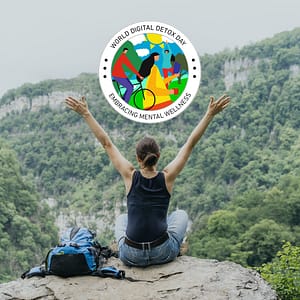
Embrace a Healthier Digital Life: Join World Digital Detox Day!

In our hyper-connected world, technology has become an integral part of our lives. But amidst the constant buzz of notifications, endless scrolling, and digital noise, it’s crucial to pause and reflect on our relationship with digital devices. World Digital Detox Day is a powerful reminder to prioritize our digital and mental health, encouraging us to disconnect from screens and engage in meaningful real-world activities. This annual event aims to raise awareness about the impact of technology on our well-being and provides an opportunity for individuals to take a break from excessive screen time. By participating in World Digital Detox Day, you embark on a journey towards a healthier and more balanced digital lifestyle.

What is World Digital Detox Day?

Established in 2016 by Dr. Rekha Chuadhari of India, World Digital Detox Day is a global initiative. Today, it is led by renowned personalities from around the world, serving as ambassadors and advisors from more than 50 countries.

This special day is dedicated to promoting digital well-being and spreading awareness about the significance of disconnecting from digital devices, especially social media. It encourages people to take a break from spending too much time in front of computers, reminding us to reestablish connections with the people and things that truly matter in our lives. From spending quality time with family and friends to reconnecting with nature, World Digital Detox Day encourages us to prioritize our mental and physical well-being by reducing our reliance on technology.

The purpose of World Digital Detox Day is to emphasize the importance of disconnecting from digital devices, particularly smartphones and social media. It urges us to reflect on the benefits of taking a break and finding a healthier balance in our interaction with digital media. By participating in this initiative, you demonstrate a commitment to your mental and physical well-being.

World Digital Detox Day offers us a chance to revitalize our lives by reevaluating our digital habits. Through a digital detox, you can experience numerous benefits, including:

  1. Reduced stress: Disconnecting from the constant stream of information and notifications allows your mind to relax, reducing stress levels and promoting a sense of calm.
  2. Enhanced focus: By stepping away from screens, you can improve your ability to concentrate and be fully present at the moment. This heightened focus can lead to increased productivity and a greater sense of accomplishment.
  3. Improved sleep quality: Excessive screen time, especially before bed, can disrupt your sleep patterns. By disconnecting from devices, you create an environment conducive to restful sleep, promoting overall well-being.
  4. Strengthened relationships: Engaging in offline activities allows you to connect with loved ones on a deeper level. Spending quality time with family and friends fosters meaningful relationships and strengthens bonds.
  5. Cultivated mindfulness: Disconnecting from the digital world enables you to reconnect with yourself and practice mindfulness. Embracing offline activities like meditation, reading, or immersing yourself in nature helps you be more present and self-aware.
Are you ready to embrace a healthier digital life? Here’s how you can participate in World Digital Detox Day:
  1. Commit to a digital detox: Take the pledge to participate in World Digital Detox Day and set a specific duration and scope for your detox. Whether it’s a full day without screens, a few hours of dedicated offline time, or specific activities during the day, make a commitment to disconnect from technology and prioritize your well-being.
  2. Spread awareness: Share information about World Digital Detox Day with your friends, family, and social media networks. Encourage others to join you in the digital detox and raise awareness about the importance of healthy technology use and mental well-being.
  3. Plan offline activities: Identify offline activities that bring you joy and fulfillment. Spend time with loved ones, pursue hobbies, engage in physical exercise, read books, practice mindfulness, or explore nature. Plan ahead to ensure you have engaging and enjoyable activities to fill your time during the digital detox.
  4. Inform others: Let your close contacts, such as family, friends, and colleagues, know about your participation in the digital detox. Inform them of the duration and purpose of your detox so they can support you and adjust their expectations accordingly.
  5. Reflect and reevaluate: Use the digital detox as an opportunity to reflect on your digital habits and their impact on your well-being. Take note of the positive changes and experiences you had during the detox, and consider how you can incorporate healthier technology use into your daily life moving forward.

Remember, participating in World Digital Detox Day is a personal choice, and you can tailor it to suit your needs and preferences. By taking this step towards a healthier relationship with technology, you contribute to creating a more mindful and balanced digital culture for yourself and those around you. Embrace the power of digital detoxification and celebrate World Digital Detox Day as a catalyst for positive change in your life.

Remember, the goal of World Digital Detox Day is to create awareness and encourage a healthier balance with technology. Participating in the digital detox is a personal choice, and you can tailor it to suit your needs and preferences.

Let’s embrace the power of disconnecting from screens, and together, celebrate

The Power of Inclusion: Promoting Mental Health and Diversity

In celebration of Pride Month, we explore the crucial link between inclusion and mental health. Scientific evidence supports the notion that inclusive environments foster positive mental well-being and overall satisfaction. According to the American Psychological Association, “Inclusion leads to better mental health outcomes, reduced stress, and increased productivity.”

Over the years, significant progress has been made worldwide in promoting diversity and inclusion. In 1973, the American Psychiatric Association removed homosexuality from the list of mental disorders, marking a pivotal moment in LGBTQ+ history. Since then, countries across the globe have taken important steps towards recognizing and protecting LGBTQ+ rights, fostering inclusive societies that value the mental health and well-being of all individuals.

Successful companies like Google understand the significance of diversity and inclusion. As their CEO, Sundar Pichai, stated, “A diverse mix of voices leads to better discussions, decisions, and outcomes for everyone.” Companies such as Microsoft, Procter & Gamble, and IBM have also prioritized diversity and inclusion, recognizing that it drives innovation and creates a more welcoming and productive work environment.

To start the journey towards a more inclusive workplace, consider implementing these actions:
  1. Create a safe and supportive environment through open dialogue and training programs that promote understanding and empathy.
  2. Foster diverse recruitment and hiring practices to ensure equal opportunities for all individuals, irrespective of their gender identity or sexual orientation.
  3. Establish employee resource groups to empower marginalized communities and provide a platform for their voices to be heard.
  4. Encourage allyship and educate employees on LGBTQ+ issues, promoting a culture of respect and acceptance.

Inclusion is not limited to workplaces; educational institutions and public organizations can also benefit from embracing diversity. By promoting inclusivity, we uplift mental health and create a more vibrant and equitable society.

As we reflect on the progress made in LGBTQ+ rights and the importance of mental health, let us continue to celebrate diversity, embrace inclusion, and prioritize the well-being of all individuals. Together, we can create a brighter and more inclusive future for everyone. 🌈💙 #PrideMonth #InclusionMatters #MentalHealthMatters

Building a Healthy Work-Life Balance to Prevent and Manage Stress Levels – Fran Lugo

“Often, dedicating ourselves completely to what we love the most is not always the best thing for us.”

Many times, we find ourselves working on things we are passionate about, which are our reason for getting up, our economic livelihood, our professional goal, and with which we find a sense of purpose, until one day it stops being so.

The word ‘Burnout’ describes an inadequate way of coping with chronic stress.  According to American psychologist Christina Malach, emotional exhaustion, depersonalization, and decreased personal performance are the main features of this phenomenon.

There is a point at which too much contact with service recipients produces negative attitudes and behaviors. The disorder is also known as a psychological disorder that arises from chronic stress.

It has been shown that there are a lot of things that can lead to “professional burnout,” such as the amount of work, the feeling of not having control, the lack of reward for the work you do, the lack of community or integration, little or no equity, and the lack of a good match.

Also, it is necessary to do more with fewer people, which has led us to increase the workload. To this, we must take work home.

Having unclear leadership roles and a lack of autonomy can lead to constantly changing priorities or having them clear. This can lead to a dysfunctional environment that challenges mental and emotional stability. Add to this, constant efforts that are not recognized.

The work environments where you work daily are another factor. The quality of relationships, the sense of belonging, and the cohesion of the same can make the difference between being a platform for growth and motivation or a force that makes your person even smaller.

The worker is affected by inequalities and lack of justice, altering his mental and emotional balance.  An effort and commitment diminish when a worker’s values don’t coincide with those of the company.

If you are experiencing any of the following symptoms, it is likely that you need to take a break.

  • Tiredness and exhaustion most of the time.
  • Illnesses that become more and more frequent.
  • Constant headaches or muscle aches.
  • Change in appetite or sleeping habits.
  • Feeling of failure and doubt.
  • Feeling of helplessness, entrapment, and defeat.
  • Detachment, feeling alone in the world.
  • Loss of motivation.
  • Increasingly cynical and negative outlook.
  • Decreased satisfaction and sense of accomplishment.
  • Indifference to responsibilities.
  • Procrastination, constant procrastination to get things done.
  • Resorting to food, drugs, or alcohol to cope.
  • Taking out their frustrations on others.
  • Missing work or arriving late and leaving early.

Pay attention to your body and behavior. They can tell you if you are burned out.

What we enjoy the most can be the engine of our life, but excess may not be the best for us. 

It is time to observe and build healthy limits to achieve the best performance in all areas of our life.

The Power of Caring Touch: How Physical Contact Boosts Mental and Physical Well-being

In a fast-paced world filled with technology and screens, the significance of human touch often goes unnoticed. However, research has shown that caress and physical touch have a profound impact on our mental and physical health. Let’s delve into the neuroscience perspective and discover how massages and spa therapies can enhance our overall well-being. We’ll also explore practical steps we can take to incorporate more nurturing touch into our lives.

  1. The Neuroscience Perspective: From a neuroscience standpoint, human touch activates the release of oxytocin, a hormone associated with bonding and trust. Studies have shown that physical touch can reduce stress, anxiety, and even improve immune function [Journal of Experimental Psychology]. This neurochemical response reinforces the importance of nurturing touch for our overall health and well-being.
  2. The Impact of Massages and Spa Therapies: Massages and spa therapies provide a dedicated space for receiving the benefits of human touch. These therapies stimulate the release of endorphins, the body’s natural painkillers, and promote relaxation and stress reduction. Research has shown that regular massages can alleviate muscle tension, improve sleep quality, and enhance mood [Journal of Alternative and Complementary Medicine].
  3. Practices to Enhance Mental and Physical Health: To improve mental and physical health through caring touch, consider incorporating the following practices into your routine:
  • Schedule Regular Massages: Carve out time for professional massages to experience the full benefits of therapeutic touch. Seek trained professionals and explore different massage techniques to find what works best for you.
  • Embrace Hugs and Physical Affection: Embrace the power of a simple hug, cuddling with loved ones, or engaging in physical activities that involve touch, such as partner dancing or yoga.
  • Practice Self-Massage: Learn self-massage techniques to give yourself soothing touch and alleviate tension. Focus on areas like the neck, shoulders, and feet, where stress tends to accumulate.
  • Create a Relaxing Environment: Set the stage for relaxation by creating a serene space at home. Use soft lighting, calming scents, and comfortable textures to enhance the experience of touch.

The power of caring touch should not be underestimated. Neuroscience research has shown that physical contact positively affects our mental and physical health. Massages and spa therapies offer valuable opportunities to experience the benefits of nurturing touch, but we can also incorporate simple practices into our daily lives. By prioritizing caring touch, we can cultivate a greater sense of well-being and connection.

Remember, GoWell readers, human touch is a fundamental aspect of our well-being. Let’s embrace its power and incorporate nurturing touch into our lives to enhance our overall health and happiness.

The Power of a Kiss: How Kissing Can Increase Oxytocin and Enhance Intimacy

Kissing is an erotic experience. This ancient practice represents a magnificent exercise that helps burn calories and strengthen the immune system, in addition to establishing affective bonds between people.

According to certain studies carried out by specialists in the field, kissing can be compared to a natural drug, since it causes an increase in oxytocin, the hormone responsible for generating physical and neurological changes such as pleasure, falling in love and everything related to affection.

Couples who kiss frequently are more likely to have a longer and happier life, since kissing has a therapeutic and psychological power.

Therefore, kissing can be a defining act of success or failure between lovers. Without it, passion and love for each other are not present.

What you should know…

Kissing is an erotic experience. This ancient practice represents a magnificent exercise that helps burn calories and strengthen the immune system, in addition to establishing affective bonds between people.

According to certain studies carried out by specialists in the field, kissing can be compared to a natural drug. Since kissing causes an increase in oxytocin, the hormone responsible for generating physical and neurological changes such as pleasure, falling in love and everything related to affection.

Couples who kiss frequently are more likely to have a longer and happier life, since kissing has a therapeutic and psychological power.

Therefore, kissing can be a defining act of success or failure between lovers. Without it, passion and love for each other are not present.

How Kissing Increases Oxytocin Levels & Enhances Intimacy

Kissing can be motivated by a variety of reasons: for love, luck, to say hello and goodbye, or just because it feels good.

We hardly stop to think about why we do it and if we analyze it, we discover that we really know little of what goes on behind this pleasurable act.

Although it can be a pleasurable act, 10% of human beings do not kiss at all, and considerably fewer kiss with romantic or sexual intent. Others believe kissing is instinctual and rooted in biology.

When kissing, a whole chemical process occurs in the body that causes the release of “happiness hormones” including dopamine, which the more you receive, the more your body will want and this occurs mostly at the beginning of relationships.

It has also been shown that men kiss to introduce sex hormones and proteins that make their female partner more sexually receptive.

The lips have more nerve endings than any other part of the body. When you press them against another pair of lips or even hot skin, it feels good. Now combine that with the chemical cocktail that is released when you kiss, and you have a recipe that will make you feel great.

The Benefits of Increasing Oxytocin by Kissing

  • Boosts your happy hormones
  • Improves bonding with others
  • Reduces Cortisol Levels (Stress)
  • Boosts your immune system
  • Burn calories
  • Drives to sex in a romantic relationship

Now you know a little more about the power of kissing, so it’s time to practice, watch your body and see how your relationships are stimulated with all of the above.

How to Foster Healthy Relationships at Work.

What is a healthy working relationship, and why is it important to have one?


A healthy working relationship is one that maintains coexistence, collaboration, confrontation, and commitment without compromising the physical, mental, or emotional integrity of the work team at all levels.

This is largely determined by what is known as ‘work culture,’ which is nothing more than the set of beliefs, habits, customs, norms, and behaviors that a company cultivates and hence the responsibility to do it well.

Establishing an environment that favors harmonious coexistence and work conciliation is dependent on the congruence between what is said and what is done.


Let’s talk about 5 ways to build positive relationships at work.

  • First, harmony is created when there is a clear demonstration of fairness. By this, we mean that it is just as important to publicly recognize the worker as it is to reprimand him or her in private. Omitting either can lead to dissatisfaction that, eventually, ends in discord or erosion of relationships.
  • Establish boundaries. This is on a personal as well as organizational level; the most significant thing with boundaries is that they are crystal clear to everyone, as are the consequences of violating them. Respect will be shown if a limit is communicated respectfully and clearly, and others will think twice before abusing them. In the opposite direction, the consequences are devastating.
  • Respect for individuality. Each person is a universe, and we all have our dreams, illusions, life purpose, talents, and internal battles that lead us to be the way we are. Being aware of our role in the lives of our colleagues can significantly strengthen the relationship.
  • Share knowledge. Not everything is interesting to everyone, but it is certain that a relationship of growth and discovery is created when you share tasks, ideas, or resources that are interesting to others. For this, we must always watch others.
  • Seeing you act is the most powerful way to impact your team. Procrastination is a powerful enemy that undermines credibility, trust, and the relationship between colleagues. If you say something, you also do it.

Effective communication and conflict resolution techniques, emotional intelligence and motivation training are some of the tips that I recommend taking to a more advanced level.

It is challenging to work with teams, but it is even more satisfying when you connect with them as beings and understand their individuality, their personal history, and the reasons why they cannot do things differently.

Before rejecting someone at work, before firing them, before refusing to deal with them, give yourself the opportunity to get to know them. Perhaps they come with a work culture of abuse, without limits, without harmony, and it is in your power to change it.

Mindful Living & Happiness Habits You Can Adopt Today

The perception of our existence and the recognition of reality seem simple tasks that, on many occasions, we overlook because it is our brain that processes the information and, as a result, provides us with a personal state of mind in which each individual guides in his own way the way he interacts with himself and his environment.

Although we are not the only conscious beings, our evolutionary development has allowed us to reflect, socialize, empathize, analyze, search and try to understand the meaning of “I” and the purpose we have when we relate to nature, animals, including humans and the universe in general.

In all this concept of consciousness, there is still the mysterious, the magical, which connects us with the world of spirituality, since it can not only be based on the functioning of the cerebral cortex, since much of what consciousness means, is subjective and intrinsic to each person.

The conscience is the one that guides us on the line of good and evil, which can be different for each culture; this is how, joining it to another concept, what is called collective conscience is generated, which helps us to function as a society, ideally harmonious.

If consciousness is reduced to a function that we aren’t concerned about, and this is performed autonomously, there would be no difference between just living for living, and being in a trance state, where we are not really enjoying ourselves and all those wonderful stimuli that nature provides us with every second of our day.

We can re-learn to reconnect, to love ourselves, to love ourselves and thus enjoy the present, to live with full consciousness, and not let the time we have in this world slip through our fingers, between worries, fears, and superfluous things.

An essential act to love oneself is to establish self-care, through the prevention of physical, mental and emotional health. Here are some suggestions you can start with: learning about and engaging in your body’s functioning, physical activation (choose what appeals to you: dance, weights, outdoor exercise, walking, running, etc.), nutrient-rich food, exploring and immersing yourself in nature, contemplation, or exploring your local culture.

By reconnecting with your body and establishing a new relationship with your environment, you will experience greater presence, significantly reducing the negative effects of stress, such as anxiety, headaches and physical ailments, among other benefits.

Reconecta: Trabajo y Vida en Equilibrio

“Dedicarnos en exceso, incluso a lo que amamos, puede no ser lo mejor.”

A menudo, nos sumergimos en lo que nos apasiona. Es nuestra motivación diaria, nuestra fuente económica, y nos da un propósito. Pero, ¿qué pasa cuando eso cambia?

El término ‘Burnout’ se refiere a la respuesta inadecuada al estrés crónico. Según la psicóloga estadounidense Christina Malach, se caracteriza por agotamiento emocional, despersonalización y disminución del rendimiento.

Existe un punto donde el exceso de interacción genera actitudes y comportamientos negativos. Es más, este desorden surge del estrés constante.

Factores como la sobrecarga laboral, falta de control, escasa recompensa, y ausencia de integración pueden causar el “burnout”. Además, las cargas laborales han crecido, haciendo que el trabajo invada nuestro hogar.

Roles poco claros y la falta de autonomía crean un ambiente laboral desafiante y potencialmente tóxico. Y si a esto añadimos esfuerzos no reconocidos, el escenario se complica.

El entorno laboral, la calidad de las relaciones y la cohesión pueden ser cruciales para nuestro bienestar. Sin embargo, la discrepancia de valores entre empleado y empresa puede generar desequilibrios emocionales.

Si experimentas alguno de estos síntomas, podría ser hora de un descanso:

  • Fatiga constante.
  • Enfermedades frecuentes.
  • Dolores de cabeza o musculares.
  • Cambios en el apetito o sueño.
  • Sentimientos de fracaso.
  • Sensación de derrota.
  • Pérdida de motivación.
  • Perspectiva negativa.
  • Indiferencia laboral.
  • Procrastinación.
  • Uso excesivo de comida, drogas o alcohol.
  • Frustraciones dirigidas hacia otros.
  • Faltas o retrasos al trabajo.

Escucha a tu cuerpo y comportamiento; podrían estar señalando un “burnout”.

Amar lo que hacemos puede ser el motor de nuestra vida, pero los excesos nunca son buenos. Es tiempo de observar, reconectar y establecer límites saludables en todas las áreas de nuestra existencia.