
Secrets to a Good Night's Sleep on Hot Nights

Impact of Heat on Sleep

Summer brings warm nights that can disturb our rest. The increase in ambient temperature shortens sleep cycles and reduces melatonin production, crucial for a good night's rest, often leaving us tossing and turning in bed looking for relief.

Understanding Summertime Sleep Science

During summer nights, the body struggles to reach an optimal temperature for sleep, thus altering the quality of sleep. Reduced melatonin production, caused by higher temperatures, leaves us with fragmented and less restful sleep. According to the National Sleep Foundation, the best temperature range for sleep is between 18 and 22 degrees Celsius. This is essential to maintain the deep, continuous sleep we need.

Top 5 Tips for Improving Sleep on Hot Nights

  1. Cool Environment: Use fans or air conditioning to keep your room at an ideal temperature (64-72°F). Coolness helps regulate body temperature and promotes rest.
  2. Hydration: Drinking water is essential, but avoid large amounts before bedtime to minimize interruptions from trips to the bathroom. Dehydration can increase the sensation of heat and make it difficult to sleep.
  3. Incorporate calming activities before bedtime; a consistent routine helps signal to the body that it's time to rest. According to Harvard Health Publishing, activities such as reading a book or taking a warm bath can be very effective.
  4. Suitable Textiles: Choose cotton sheets or breathable materials that help regulate body temperature. Lightweight, natural materials facilitate air circulation and prevent heat buildup.
  5. Turn off electronic devices an hour before bedtime to promote greater melatonin production. The Mayo Clinic suggests using dim lights at night to ease the transition to sleep.

Natural Products & Solutions

Consider using items such as aloe vera gels to refresh the skin or diffusers with lavender essential oils that promote relaxation. In addition, research suggests that ingredients such as valerian and magnesium can improve sleep quality. These natural products can be an effective alternative to medications.

Healthy Daily Habits for Better Sleep

  1. Natural Light Exposure: La luz del día ayuda a regular nuestro reloj biológico. La American Academy of Sleep Medicine recomienda pasar tiempo al aire libre durante la mañana para mejorar la calidad del sueño.
  2. Regular Exercise: Exercising regularly, but not just before bedtime, helps improve sleep. Physical activities performed in the morning or evening promote deeper and more restful sleep.
  3. Avoid Stimulants: Reduce caffeine and alcohol consumption in the afternoon and evening. These can disrupt sleep patterns and make it difficult to fall asleep.
  4. Light Evening Meals: Opt for light dinners and avoid heavy or spicy foods before bedtime. Digestion can interfere with the ability to sleep comfortably.

Prioritizing Summertime Rest

Prioritizing quality sleep during the summer is not only possible, it is essential. Taking proactive steps can alleviate the effects of the heat and ensure a restful night's sleep. Taking care of our sleep habits is a clear reflection of self-love and an investment in our long-term health. By investing in good habits and the right products, we can significantly improve the quality of our sleep on these hot nights.

The importance of good sleep hygiene cannot be underestimated, and by following these tips you can enjoy a refreshing and restful summer.

Summer and Your Skin: Essential Skin Care Guide

Summer brings sun, sea and vacations, but it can also be a challenge for our skin. Identifying your skin type and knowing how to take care of it during this season is crucial to keep it healthy and radiant. In this article, we'll help you recognize your skin type, give you tips for summer skin care and recommend natural and specialized products that really work.

Identifying your skin type

Knowing your skin type is the first step to an effective skin care routine. Here is a list of the most common skin types:

  • Normal skinFeels balanced, neither too dry nor too greasy.
  • Dry SkinIt feels tight, rough and may peel.
  • Oily SkinExcessive shine, especially in the T-zone (forehead, nose and chin).
  • Combination skinCombines dry and oily zones, typically with a more oily T-zone.
  • Sensitive SkinReacts easily to products and environmental changes, and may present redness and itching.

What your skin really needs in summer

During the summer, your skin's needs change. Here are some tips based on your skin type:

  • Normal skinKeep moisturizing with a light cream and don't forget to apply sunscreen SPF 30 or higher.
  • Dry SkinOpt for a richer but lighter moisturizer containing ingredients such as hyaluronic acid. Use moisturizing sunscreen.
  • Oily SkinUse oil-free and non-comedogenic products. Cleansing is essential, as well as a gel sunscreen.
  • Combination skinFind a balance by using light, non-comedogenic products and apply sunscreen specifically for combination skin.
  • Sensitive SkinUse fragrance-free and hypoallergenic products. Make sure your sunscreen is for sensitive skin.

Natural products at your fingertips and specialized products

Nature offers a variety of beneficial ingredients for the skin. Here are some examples of natural and specialized products:

Natural products:

  • Aloe veraIdeal for soothing and refreshing the skin after sun exposure.
  • Coconut OilExcellent for moisturizing dry skin, but should be used sparingly on oily skin.
  • HoneyIt works as a natural moisturizer and has antibacterial properties.

Specialized products:

  • Hyaluronic acidA must for deep moisturizing without greasy sensation.
  • NiacinamideHelps control excess fat and reduces inflammation.
  • Broad spectrum sunscreenFundamental to protect against UVA and UVB rays. Look for formulas with zinc and titanium dioxide.

Do's and don'ts

What to do:

  • Hydrate yourselfKeep your skin hydrated with light products and refreshing gels.
  • Wearing sunscreenApply an SPF of at least 30 every day and reapply every two hours.
  • Gentle exfoliatingOnce or twice a week to keep pores clean and skin soft.

What not to do:

  • Avoiding heavy productsDo not use dense creams that may clog pores.
  • Do not forget to re-hydrateSweat and sun exposure can dehydrate your skin, so use a light moisturizer.
  • Do not over exfoliateMay irritate the skin and cause harm.

Skin care is an act of self-love. Knowing your skin type and using products that actually work with active ingredients that nourish and protect is essential. It's not just about appearance, it's about health. Taking care of your skin today ensures that it looks and feels great tomorrow. Find a routine that works for you and enjoy the summer with confidence and security.

Wellness Retreats: A Transformative Journey to Sustainable Self-Care

By Laura Granado | ABI Yoga School

When was the last time you really gave yourself a moment to yourself? In the whirlwind of everyday life, it's easy to forget the importance of taking care of ourselves. Self-care goes beyond sporadic treatments; it is an essential practice that nurtures our overall well-being.

Deepening Mindfulness with Yoga

Yoga retreats offer much more than just a break from routine; they are a deep immersion in mindfulness and yoga. Each breath and movement on these retreats connects us more with our essence, allowing us to disconnect from daily distractions and immerse ourselves in a space of personal and spiritual growth. These retreats are held in inspiring locations, from tranquil beaches to serene mountains to lively cities.

The Transformative Benefits of Yoga Retreats

  1. Community ConnectionThese retreats provide an opportunity to connect with people who share similar values, creating a sense of community and mutual support.
  2. Integrated PracticesBeyond yoga, these retreats include meditation, nutrition talks, healing therapies and excursions that promote holistic wellness.
  3. Personal RenewalAway from routine to immerse oneself in a tranquil environment allows participants to reflect on their lives, set new intentions and recharge their energies.

Since 2014, ABI Yoga has been a pioneer in organizing these enriching retreats in enchanting locations such as Tulum, Holbox and Puebla. These experiences not only focus on the practice of yoga, but also include soul-enriching activities such as meditation, journaling and unique cultural experiences.

This August, you could begin this journey toward transformation at the upcoming retreat in the vibrant town of San Miguel de Allende, Guanajuato, August 25-30. If you're ready to take the first step toward sustained wellness, why not consider a retreat that promises not only rest, but deep renewal?

Explore and escape on a journey of renewal and discover how they can help you reconnect with yourself and what really matters, visit ABI Yoga School. Embark on your journey to self-care and discover how these retreats can illuminate your life.

Vive Verde: Transforma Tu Mundo con Acciones Sostenibles

En un mundo donde los desafíos ambientales como el cambio climático, la pérdida de biodiversidad y la degradación de recursos se vuelven cada vez más apremiantes, adoptar un estilo de vida ecológico es más que una tendencia; es una necesidad. Este artículo explora acciones ecológicas específicas y la ciencia detrás de la vida sostenible, destacando cómo nuestras elecciones cotidianas tienen el poder de impactar positivamente en el planeta.

Acciones para un Estilo de Vida Ecológico

  1. Compostaje: Transformar residuos orgánicos en abono enriquece el suelo, reduciendo la necesidad de fertilizantes químicos.
  2. Alimentos Orgánicos: Consumir alimentos orgánicos apoya prácticas agrícolas que minimizan el uso de pesticidas, promoviendo la salud del suelo y la biodiversidad.
  3. Conservación de Energía: Implementar medidas de eficiencia energética en casa reduce nuestra huella de carbono.
  4. Reciclaje: El reciclaje de materiales disminuye la demanda de recursos naturales y reduce la cantidad de desechos enviados a vertederos.
  5. Productos Biodegradables: Optar por productos biodegradables ayuda a reducir la contaminación de suelos y cuerpos de agua.
  6. Consumo de Agua Consciente: La utilización eficiente del agua conserva este recurso vital y reduce la energía requerida para su tratamiento y distribución.
  7. Cultiva tu Propia Comida: Cultivar alimentos no solo reduce la huella de carbono asociada al transporte de alimentos, sino que también te conecta con el origen de tu sustento.
  8. Reducción de Residuos: Minimizar el consumo y elegir productos con menos embalaje son pasos fundamentales hacia un estilo de vida sin desperdicios.
  9. Compra Local y Orgánica: Apoyar a los agricultores locales y consumir productos orgánicos reduce las emisiones de CO2 relacionadas con el transporte de alimentos.
  10. Menos Carne: Reducir el consumo de carne puede disminuir significativamente nuestra huella ambiental, especialmente las emisiones de gases de efecto invernadero.
  11. Energía Renovable: Utilizar fuentes de energía renovable, como la solar o eólica, disminuye la dependencia de combustibles fósiles.

La Ciencia Detrás de la Vida Sostenible

La ciencia ambiental es la base de la vida sostenible. Entiende las complejas interacciones entre actividades humanas y ecosistemas, revelando cómo nuestras acciones cotidianas impactan la salud del planeta. Por ejemplo, la deforestación no solo resulta en la pérdida de biodiversidad, sino también en la liberación de carbono almacenado, agravando el cambio climático.

Además, la producción de alimentos tiene un impacto significativo en el medio ambiente. La agricultura intensiva puede degradar la calidad del suelo y la producción de carne, especialmente la de res, es una de las principales fuentes de emisiones de metano, un potente gas de efecto invernadero.

Cada acción que tomamos como individuos tiene el potencial de contribuir a un futuro más sostenible. Desde la elección de productos reciclables hasta la adopción de una dieta basada en plantas, pequeños cambios en nuestros estilos de vida pueden tener efectos positivos significativos en el medio ambiente. La ciencia lo confirma: adoptar prácticas sostenibles no solo es vital para la salud de nuestro planeta, sino que también es esencial para nuestro bienestar y el de futuras generaciones.

Para avanzar hacia una sociedad más sostenible, es crucial que tomemos decisiones conscientes que reflejen un compromiso con el cuidado del medio ambiente. Es una responsabilidad colectiva actuar con miras a la sostenibilidad a largo plazo, priorizando el bienestar del planeta sobre la gratificación instantánea.


  • Bennett, Elena M, et al. (2015). “Enlazando biodiversidad, servicios ecosistémicos y bienestar humano: tres desafíos para diseñar investigaciones para la sostenibilidad”. Elsevier.
  • Geissdoerfer, Martin

De lo Personal a lo Colectivo: Un Viaje de Autocuidado con Impacto Comunitario

En la búsqueda de un bienestar integral, el autocuidado sostenible emerge como un faro de renovación. Este mes, inspirados por el inicio de la primavera y el gran eclipse mexicano, exploramos cómo cultivar prácticas personales de cuidado que no solo nos nutren, sino que también reverberan en nuestro entorno. 

La Naturaleza como Espejo 

Este artículo nos recuerda que, al igual que las plantas se renuevan tras ser podadas, nosotros también podemos florecer frente a la adversidad. Este acto de resistencia natural nos invita a enfrentar nuestros desafíos con resiliencia, abrazando el cambio y el crecimiento personal como pilares de nuestra existencia. 

Autocuidado: Más Allá del Yo 

El autocuidado, a menudo malinterpretado como un acto de indulgencia, es en realidad una práctica profundamente arraigada en el compromiso con uno mismo y, por extensión, con la comunidad. Es un acto de reafirmación personal que prepara el terreno para contribuir de manera significativa al bienestar colectivo. 

Prácticas de Autocuidado Auténticas 

El verdadero autocuidado se manifiesta en acciones cotidianas que, aunque puedan parecer menores, son fundamentales para mantener un equilibrio saludable en nuestra vida. Desde establecer límites saludables hasta cultivar hábitos que refuercen nuestra salud física y mental, cada paso cuenta. 

Al igual que podar una planta promueve su crecimiento, enfrentar nuestros retos puede fortalecernos. Este acto de resiliencia, inspirado por la naturaleza, nos enseña a florecer ante la adversidad. 

Prácticas de Autocuidado Auténticas 

  1. Meditación Matutina: Iniciar el día con unos minutos de meditación puede aumentar la concentración y la calma. 
  1. Nutrición Consciente: Optar por alimentos que nutren el cuerpo y respetan el medio ambiente. 
  1. Movimiento Diario: Ya sea yoga, caminata o danza, el movimiento es vital para mantener el cuerpo y mente en equilibrio. 

Creando un Régimen de Autocuidado Sostenible 

Un plan de autocuidado sostenible no es una lista de buenos propósitos, sino una serie de compromisos realistas con uno mismo. Estos deben ser flexibles, capaces de adaptarse a nuestras necesidades cambiantes, y diseñados para integrarse de manera armoniosa en nuestra rutina diaria. 


Ideas para un Régimen de Autocuidado Sostenible 

  • Lunes: Meditación de agradecimiento y planificación de comidas saludables para la semana. 
  • Martes: Yoga al amanecer y lectura de un capítulo de un libro que inspire. 
  • Miércoles: Día de desconexión digital después del trabajo. 
  • Jueves: Caminata en la naturaleza para reconectar con el entorno. 
  • Viernes: Cena con amigos o familia, fomentando relaciones significativas. 
  • Sábado: Participación en una actividad comunitaria, extendiendo el cuidado hacia los demás. 
  • Domingo: Reflexión semanal y preparación para una nueva semana. 

Este enfoque hacia el autocuidado sostenible no solo nos prepara para afrontar nuestros propios desafíos, sino que también nos capacita para apoyar a otros, creando así una red de bienestar que beneficia a toda la comunidad. 

Unique Women: Discovering the Beauty of Neurodiversity

By Esmeralda BrinnSpecialist in Somatic and Nutritional Therapy


Exploring Women's Health Beyond the Conventional

When we talk about women's health, we usually think of the reproductive system, glands and hormones. Rarely do we refer to the health of the nervous system and psyche and how gender differences influence these areas. Health is not a fixed state, it is a flexible range in which we oscillate in constant search for balance. This process of seeking balance in our body is called homeostasis, and in the psyche and emotions, the same process is called self-regulation. However, self-regulation and homeostasis are processes that our body learns during our development in response to concrete and subtle stimuli from the environment, both to bacteria and diseases as well as to the emotional tone of our family.

The Emergence of the Concept of Neurodivergence
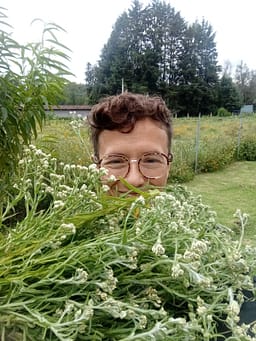
The term neurodivergent emerged in the 1990s, after many years of psychiatric medicine considering divergences as developmental disabilities. Coining this term opened the door to considering diverse neural characteristics as differences and not defects. Today, a person is considered neurodivergent if he or she possesses neurological characteristics that are different from the average. These characteristics cause people to perceive the world with greater intensity, as if the stimuli of the senses had a much higher volume than that perceived by neurotypical people. The term refers not only to autism, but also to ADHD, dyslexia, bipolar, high sensitivity, sensory processing difficulties, Asperger's, etc.

Unique Challenges of Female Neurodiversity

And it is especially important to talk about the neurodiversity of the female gender, because since the beginning of the practice of psychology and psychiatry, studies have been conducted mostly on the male gender. For this reason and because of the enormous difference in how neurodivergences manifest themselves between men and women, they have gone unnoticed in their diagnosis, making it impossible to find adequate tools to develop lifestyles suitable for their particularities.

Reinterpreting the Manifestations of Neurodivergence in Women

A woman with ADHD can be highly productive, ambitious, intelligent and with traits of genius, able to solve setbacks with calm and clarity. And a woman with autistic traits is likely to be an expert in her area of interest and come up with innovative ideas that no one else has come up with. Her challenges have nothing to do with her intellectual, work or creative capacity, but with how to cope with the sensory load in a social environment that demands productivity for prolonged periods of time in uncomfortable, noisy, sensory-polluted conditions.

The Power of Accepting Sensitivity

For most women, being highly sensitive means facing particular challenges: from difficulty concentrating in noisy environments to extreme sensitivity to certain foods, textures, and the social environment. The most important thing to know is that if you suspect you are a highly sensitive woman, your physical and emotional symptoms may be linked to your unassumed and, therefore, uncared-for sensitivity. There are tools in somatic work and occupational therapy to work with the nervous system and develop sensory resilience.

Esmeralda Brinn
Esmeralda Brinn - Somatic and Nutritional Therapeutics

Creating an Inclusive Future

Studies show that developing architectural, sound, work, educational and social spaces adapted to neurodivergent needs would profoundly benefit everyone, including neurotypical people. Not perceiving sensory overstimulation does not mean that our nervous systems are not constantly working to filter them out, generating chronic physiological stress, inflammation and thus disease. It is time to look beyond the symptoms and want to silence them. The only way to regenerate our health, physically, mentally and emotionally, is to re-learn how to feel and know ourselves. Knowing what our condition is allows us to understand our needs and gives us the power and the possibility to look for the routes that give us the tools to take charge of our well-being.


SOURCES:

Libros
Divergent Mind, por Jenara Nerenberg | Scattered Minds, por Dr. Gabor Maté | Autistic State of Mind, por Kayla Francis | An Unquiet Mind, por Kay Redfield Jamison | El Mito de lo Normal, por Dr. Gabor Maté | The Power of Neurodiversity, por Dr. Thomas Armstrong

Articles and Publications
https://www.ncbi.nlm.nih.gov/pmc/articles/PMC4012542/ – sobre sensibilidad relacionada a la genética
https://www.sciencedirect.com/science/article/abs/pii/S0387760403000573 – sobre la historia de la neuropsiquiatría y el paradigma de la patología

Healing Waters: The Science Behind Women's Wellness in 2024

2024 marks a turning point in women's wellness, with research and customized approaches addressing menstrual, menopausal and hormonal health. This article highlights the latest developments and how the wellness travel industry is adapting with retreats designed specifically to support women's health.

Plunging into Cold Water: A Relief for Menstruation and Perimenopause

Recent research has shed light on innovative practices, such as cold water swimming, that benefit women experiencing menstrual and perimenopausal symptoms. One study involved 1,114 women, revealing that cold water swimming significantly reduced menstrual and perimenopausal symptoms, such as anxiety (46.7%), mood swings (37.7%), and irritability (37.6%). In perimenopausal women, a marked improvement was noted in anxiety (46.9%), mood swings (34.5%), low mood (31.1%), and hot flashes (30.3%).

Navigating Perimenopause: Stress and Wellness

The Women Living Better Survey revealed that experiencing perimenopause-related changes earlier than expected can lead to poorer health perceptions and higher levels of stress. Cultural and personal anticipation plays a crucial role in how women experience and manage these changes.

By 2025, approximately 1.1 billion women worldwide are expected to have experienced menopause. Specialized retreats offer everything from mindfulness techniques to herbal remedies and nutritional guidance, highlighting the importance of community and mutual support.

Responding to these challenges, the wellness tourism industry has developed specialized retreats that offer a combination of spa treatments, mindfulness techniques and nutritional guidance. For example, some retreats, such as the one offered by Six Senses, integrate programs that alleviate menopausal symptoms and promote hormonal balance, offering a haven for women seeking solutions and community during this stage of life.

The commitment to comprehensive women's health in 2024 ranges from scientific research to the creation of dedicated wellness spaces. These advances and services not only offer innovative solutions, but also foster an environment of mutual support and understanding, redefining women's healthcare in the 21st century.

Beyond Diet and Exercise: Innovations in Medicine for Women's Empowerment

Women today face a golden era in wellness options, thanks to innovation in weight loss medications such as Ozempic and Wegovy. These are not simply magic pills; they represent a scientifically advanced approach to weight management, essentially changing how we perceive weight loss and overall health.

Science Behind Change

Ozempic and Wegovy, containing semaglutide, regulate appetite and reduce food intake, addressing underlying physiological factors of weight gain. Their efficacy is remarkable, especially for those who struggle with weight loss through lifestyle changes alone.

Challenges and Progress

Despite their popularity, access to these medications presents challenges, including high costs and global shortages. However, this situation has spurred innovations and collaborations between behavioral change clinics and the pharmaceutical industry, seeking to offer a more integrative and holistic approach to wellness.

Towards Wellness Integration

The key is the combination of medication and healthy lifestyles. Research suggests that those who take these medications are more motivated to exercise and adopt healthy habits, underscoring that medicine and wellness can coexist harmoniously.

Key Tips for the Road to Weight Loss

  1. Medical Consultation: Before considering weight loss medications, it is crucial to consult with a healthcare professional to evaluate the best option based on your specific needs and health conditions.
  2. Maintaining a Healthy Lifestyle: Combine medical treatment with a balanced diet and regular exercise. These medications are most effective when they are part of a comprehensive wellness approach.
  3. Education and Support: Seek out educational resources and support groups to help you better understand your health and wellness, facilitating a more informed and supported journey toward your weight loss goals.
An Empowered Future

We are at a tipping point in women's healthcare, where science and wellness are intertwined to offer more effective and personalized solutions. Ozempic and Wegovy are shining examples of how medical innovation can complement personal efforts toward holistic wellness. Remember, the journey to your best self begins with informed steps and, most importantly, under the guidance of healthcare professionals.


Soruce: Trend 6: A Wellness Check for Weight Loss Drugs

New weight-loss drugs upended traditional behavior-change wellness businesses, from dieting platforms to gyms, who then opportunistically pivoted to prescribing Big Pharma’s latest magic pills (and pricks). The future of wellness? Creating more integrative, holistic approaches. By Emily Laurence

Empoderando a las Mujeres: Avances en IA para el Diagnóstico del Cáncer de Mama

La Revolución de la Inteligencia Artificial en la Lucha contra el Cáncer de Mama

En la vanguardia de la medicina moderna, la inteligencia artificial (IA) se perfila como un catalizador de cambio, especialmente en la detección y tratamiento del cáncer de mama. Con su capacidad para procesar y analizar vastas cantidades de datos a una velocidad y con una precisión inigualables, la IA está no solo transformando la manera en que diagnosticamos esta enfermedad, sino también cómo personalizamos los cuidados para cada paciente.

Un Nuevo Amanecer en la Detección Temprana

Estudios recientes muestran que los algoritmos de IA pueden identificar patrones en imágenes mamográficas que son difíciles de detectar por los radiólogos. Un estudio publicado en la revista Nature destacó cómo un modelo de IA desarrollado por investigadores fue capaz de reducir la tasa de falsos negativos en un 9.4% y los falsos positivos en un 5.7%, comparado con evaluaciones realizadas por profesionales humanos. Esta mejora en la precisión diagnóstica es un paso adelante hacia la detección temprana y el tratamiento oportuno del cáncer de mama.

Personalizando el Camino hacia la Recuperación

La medicina personalizada se erige como el futuro de la atención médica, y la IA está jugando un papel fundamental en hacer esta visión una realidad. A través del análisis de datos genómicos y biomarcadores, la IA está ayudando a identificar qué tratamientos serán más efectivos para pacientes individuales. Un estudio en The Lancet Oncology demostró cómo el uso de IA para analizar datos de pacientes con cáncer de mama puede predecir la respuesta al tratamiento neoadyuvante con una precisión del 80%. Este enfoque no solo mejora las tasas de éxito, sino que también minimiza los efectos secundarios al evitar tratamientos innecesarios o ineficaces.

Superando Desafíos

La implementación de la IA en la práctica clínica no está exenta de desafíos. La integración de sistemas de IA requiere de validaciones clínicas rigurosas y adaptaciones a los flujos de trabajo existentes en los entornos de salud. La transparencia y la capacidad de generalización de los modelos de IA son cruciales para su aceptación y eficacia a largo plazo. La colaboración multidisciplinaria entre ingenieros, científicos de datos, médicos y pacientes es vital para superar estos obstáculos y desarrollar soluciones que sean tanto técnicamente viables como clínicamente valiosas.

Mirando hacia el Futuro

A pesar de los desafíos, el futuro de la IA en el tratamiento y diagnóstico del cáncer de mama es prometedor. Con cada avance, nos acercamos más a un mundo donde el cáncer de mama puede ser detectado en sus etapas más tempranas y tratado de manera más eficaz y personalizada.  La IA en la lucha contra el cáncer de mama no es solo un testimonio del progreso tecnológico, sino también un recordatorio de nuestro compromiso colectivo con la salud y el bienestar. A medida que exploramos las posibilidades que la IA nos ofrece, seguimos inspirados por la promesa de un futuro más saludable y esperanzador para todas las mujeres.

Top 10 Wellness Trends for 2024: A Look into the Future of Wellness

La aparición de fármacos eficaces para perder peso que inhiben el GLP-1 está poniendo en entredicho los enfoques tradicionales de la pérdida de peso. El sector del bienestar está afrontando este cambio e intenta integrar servicios de salud holísticos con estas nuevas soluciones farmacéuticas. (Fuente: Global Wellness Institute)

1. Climate-Adaptive Wellness

As our world gets warmer, the focus shifts to climate-adaptive wellness. Innovations aim to cool bodies, homes, and cities without further harm to the planet. Expect to see more green spaces, heat-reflective materials, and smart-tech cooling clothing. This trend is reshaping travel, architecture, and even beauty products to protect us from the heat. (Source: Global Wellness Institute)

2. The Power of the Pilgrimage

Walking and connecting with nature have become pathways to well-being. Ancient trails are drawing modern seekers, blending physical activity with spiritual exploration. This movement is breathing new life into cultural heritage and fostering unique wellness experiences. (Source: Global Wellness Summit)

3. From Manning Up to Opening Up

There’s a cultural shift in men’s wellness, moving away from stereotypes towards genuine connection and emotional health. Men’s retreats and mental health apps are creating spaces for men to explore and express their feelings, addressing the crisis of male loneliness. (Source: Global Wellness Summit)

4. The Rise of Postpartum Wellness

Acknowledging the care desert post-childbirth, the wellness industry is now offering comprehensive postpartum care. From traditional retreats to modern apps, there’s a growing focus on supporting new parents’ physical and emotional well-being. (Source: Global Wellness Institute)

5. Longevity Has Longevity

Longevity is becoming a core pillar of the wellness industry, driven by biotech innovations and an aging population eager for a longer healthspan. Expect more personalized health plans and a surge in longevity clinics offering advanced diagnostic testing. (Source: Global Wellness Summit)

6. A Wellness Check for Weight Loss Drugs

The emergence of effective GLP-1-inhibiting weight-loss drugs is challenging traditional approaches to weight loss. The wellness industry is navigating this shift, seeking to integrate holistic health services with these new pharmaceutical solutions. (Source: Global Wellness Institute)

7. A Wellness Check for Weight Loss Drugs

The hospitality industry is embracing the sports and fitness boom, offering guests elite training and recovery options. High-end wellness destinations are now doubling as training grounds for serious athletes and active travelers. (Source: Global Wellness Summit)

8. The Home as Highest-Tech-Health-Hub

Homes are transforming into advanced health and wellness centers, equipped with medical-grade monitoring systems and smart furnishings. This trend is extending into cities, with initiatives like NEOM leading the way in integrating health data for personalized wellness interventions. (Source: Global Wellness Summit)

9. A New Multisensory, Immersive Art for Wellness

Art is becoming an interactive, multisensory experience designed to improve mental well-being. From museums to spas, immersive art installations engage all senses, offering a therapeutic escape and a deeper connection with our surroundings. (Source: Global Wellness Summit)

10. Under the Radar

Emerging themes include destigmatizing mental health issues and embracing innovative wellness policies by governments. These under-the-radar trends highlight the industry’s commitment to addressing global challenges and promoting comprehensive well-being. (Source: Global Wellness Summit)

Your Thoughts?

As we navigate these trends, how can we implement these insights into our practices and daily lives? Are there any trends that you are particularly excited about or skeptical about? Share your thoughts and let's explore the future of wellness together.

Continue reading